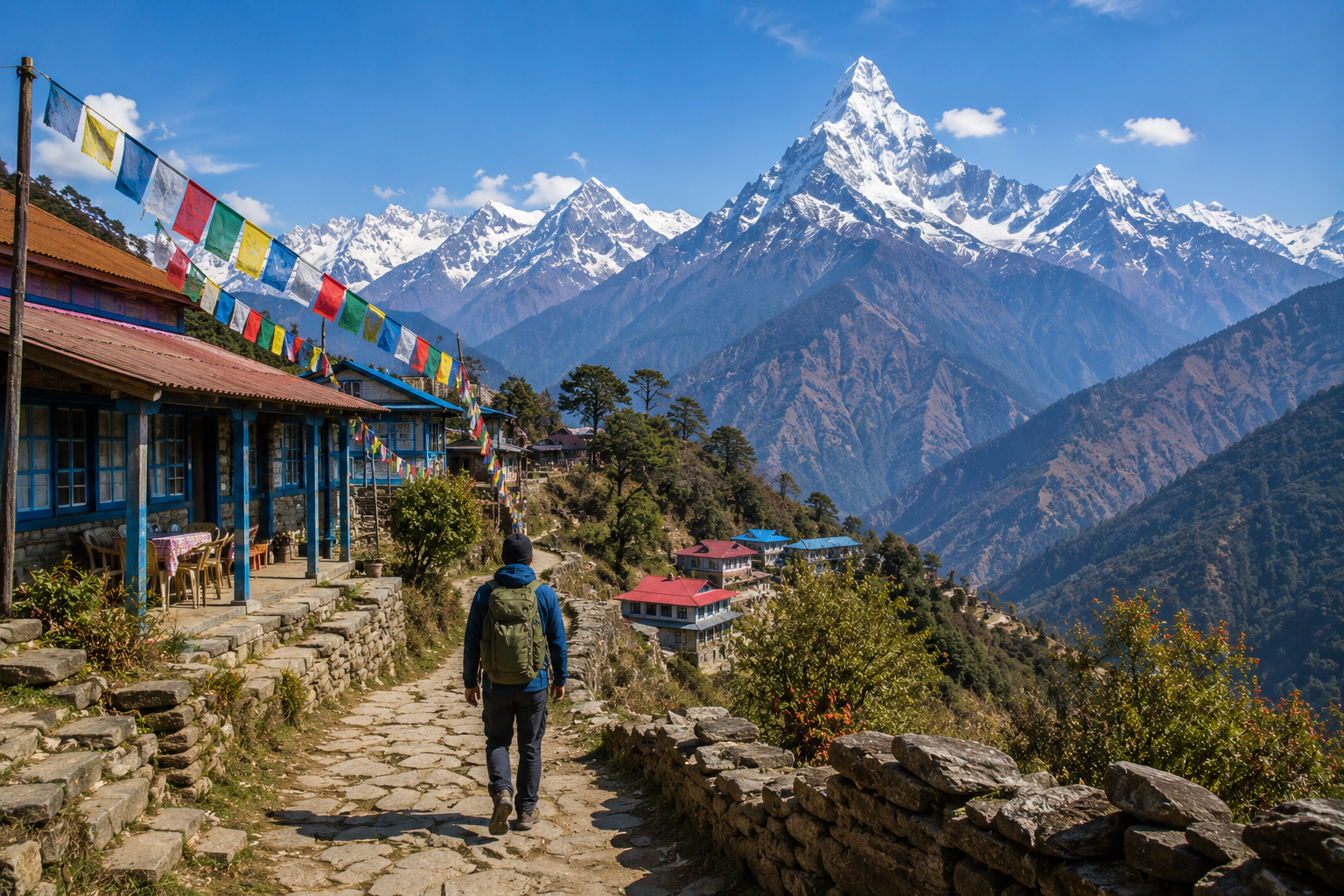
बजट पर नेपाल का दौरा: कम खर्च में यात्रा कैसे करें
Sunita Tamang
यात्रा लेखक
नेपाल पहले से ही एशिया में सबसे सस्ती यात्रा स्थलों में से एक है, लेकिन कुछ स्मार्ट रणनीतियों के साथ आप हर रुपये को आगे बढ़ा सकते हैं।
नेपाल लगातार दुनिया के सबसे अच्छे वैल्यू - फ़ॉर - मनी डेस्टिनेशन में शुमार है। देश किसी भी मानक के अनुसार किफायती है, लेकिन थोड़ा स्थानीय ज्ञान एनपीआर 2,000/दिन और एनपीआर 800/दिन खर्च करने के बीच अंतर करता है।
नेपाल अपने पैसे देखने वाले यात्रियों के लिए दुनिया के सबसे फायदेमंद डेस्टिनेशन में से एक है। आप 8,000 - मीटर की चोटियों के नीचे कहाँ जाग सकते हैं, सदियों पुराने मंदिरों के शहरों का पता लगा सकते हैं, और एक हार्दिक, घर का पका हुआ भोजन खा सकते हैं — यह सब एक रेस्तरां डिनर की लागत के एक अंश के लिए घर वापस आ सकता है? एवरेस्ट और अन्नपूर्णा क्षेत्रों के हिमालयी मार्गों से लेकर काठमांडू घाटी के मध्ययुगीन वर्गों तक, नेपाल उन कीमतों पर विश्व स्तरीय अनुभव प्रदान करता है जो इसे बैकपैकर्स और दिमागी यात्रियों का पसंदीदा बनाते हैं।
यहाँ बताया गया है कि अपने बजट को बढ़ाए बिना नेपाल का सबसे अच्छा अनुभव कैसे करें।
सर्वोत्तम मूल्य के लिए अपनी यात्रा का समय
जब आप विज़िट करते हैं तो इसका इस बात पर बड़ा असर पड़ता है कि आप कितना भुगतान करेंगे। नेपाल के दो पीक सीज़न — शरद ऋतु (अक्टूबर - नवंबर) और वसंत (मार्च — अप्रैल) — सबसे स्पष्ट पहाड़ी दृश्य और सबसे अच्छी ट्रैकिंग की स्थिति प्रदान करते हैं, लेकिन वे उच्चतम मूल्य और व्यस्ततम ट्रेल्स भी लाते हैं।
यदि पैसे बचाना आपकी प्राथमिकता है, तो कंधे और ऑफ - पीक महीनों पर विचार करें। मानसून का मौसम (जून - अगस्त) बहुत कम पर्यटकों, कम गेस्टहाउस दरों और शांत ट्रेल्स को देखता है, हालांकि आप बारिश और बादल से ढकी चोटियों के लिए इसका व्यापार करेंगे . सर्दी (दिसंबर - जनवरी) ऊंचाई पर ठंडी होती है लेकिन शहरों में और कम ऊंचाई वाले ट्रेक पर उत्कृष्ट मूल्य होता है। दो चरम खिड़कियों के बाहर यात्रा करें और आपको उड़ानें, कमरे और पर्यटन काफी सस्ते मिलेंगे।
आपको वास्तव में कितने पैसे की आवश्यकता है?
नेपाल वास्तव में किफ़ायती है। बजट के प्रति जागरूक यात्री शहरों में लगभग US$ 20 -30 प्रति दिन पर आराम से पहुँच सकते हैं, जिसमें एक साधारण गेस्टहाउस, स्थानीय भोजन और सार्वजनिक परिवहन शामिल है। परमिट, गाइड और माउंटेन लॉज में जाने के बाद ट्रैकिंग का खर्च और बढ़ जाता है — लेकिन फिर भी, नेपाल दुनिया के सबसे मूल्यवान एडवेंचर डेस्टिनेशन में से एक बना हुआ है। जाने से पहले एक यथार्थवादी दैनिक बजट सेट करें, और आप शायद ही कभी पकड़े जाएंगे।
कम समय के लिए अच्छी नींद लें
बचत करने के लिए ठहरने की जगह सबसे आसान जगहों में से एक है। काठमांडू में थमेल और पोखरा में लेकसाइड जैसे पर्यटन केंद्रों में, स्वच्छ, आरामदायक गेस्टहाउस और बजट होटल भरपूर और सस्ते हैं — और यदि आप कई रातें रहते हैं या सीधे बुक करते हैं तो दरें और भी कम हो जाती हैं।
ट्रेल्स पर, टीहाउस लॉजिंग बजट ट्रैकिंग की रीढ़ की हड्डी है। कमरे अक्सर बहुत सस्ते होते हैं क्योंकि मालिक आपसे वहाँ रात का खाना और नाश्ता खाने की उम्मीद करते हैं। यह एक उचित व्यापार है: एक गर्म बिस्तर, एक गर्म भोजन, और एक पहाड़ लॉज का अपराजेय वातावरण दुनिया भर के साथी ट्रेकर्स के साथ साझा किया जाता है।
स्थानीय लोगों की तरह खाएँ
नेपाल में सबसे अच्छा बजट टिप तीन शब्द हैं: दाल भात खाएं। चावल, मसूर का सूप, सब्जियों और अचार की यह पारंपरिक प्लेट भर रही है, पौष्टिक है, और — महत्वपूर्ण रूप से — आमतौर पर मुफ्त रिफिल के साथ आती है। यह वह भोजन है जो पोर्टर्स को ईंधन देता है और सबसे ऊंचे पास को गाइड करता है, और यह लगभग किसी भी मेनू पर सबसे अच्छा मूल्य है।
दाल भात से परे, पश्चिमी शैली के पर्यटक रेस्तरां के बजाय स्थानीय नेपाली और नेवारी भोजनालयों से चिपके रहें, जहाँ कीमतें तेज़ी से बढ़ती हैं। स्ट्रीट स्नैक्स जैसे मोमो (पकौड़ी) और समोसे स्वादिष्ट होते हैं और उनकी कीमत कुछ भी नहीं होती। आयातित पेय और पश्चिमी व्यंजनों को छोड़ना आपके दैनिक खर्च में वास्तविक अंतर लाता है।
स्मार्ट तरीके से घूमें
नेपाल में परिवहन गंदगी - सस्ते से लेकर सुविधाजनक - लेकिन महंगा है, और अच्छी तरह से चुनने से बहुत बचत होती है:
शहरों और ट्रेलहेड्स के बीच यात्रा करने के लिए स्थानीय बसें और साझा माइक्रोबस अब तक का सबसे सस्ता तरीका है। वे भीड़ और धीमे हैं, लेकिन प्रामाणिक रूप से नेपाली और अविश्वसनीय रूप से अच्छे मूल्य हैं।
पर्यटक बसों (उदाहरण के लिए लोकप्रिय काठमांडू - पोखरा मार्ग पर) की कीमत थोड़ी अधिक है लेकिन लंबी यात्रा के लिए अधिक आरामदायक हैं।
घरेलू उड़ानें समय बचाती हैं — विशेष रूप से एवरेस्ट ट्रेक के लिए लुक्ला की उड़ान — लेकिन सबसे महंगा विकल्प हैं।
छोटे शहरों में ठहरने की जगहों के लिए, टैक्सी में बैठने से पहले हमेशा किराए पर सहमति जताएँ या जहाँ उपलब्ध हो, वहाँ राइड - हेलिंग ऐप का इस्तेमाल करें।
ओवरपेंडिंग के बिना ट्रेक करें
ट्रैकिंग के कारण बहुत से लोग नेपाल आते हैं, और इसे किफायती तरीके से करना बहुत संभव है:
कम कीमतों और शांत ट्रेल्स के लिए कंधे के मौसम में जाएं।
छोटे या कम ऊंचाई वाले ट्रेक चुनें - घोरेपानी — पून हिल जैसे मार्गों की लागत लंबी ऊंचाई वाले अभियानों की तुलना में बहुत कम है, फिर भी अभी भी शानदार दृश्य प्रदान करते हैं।
बोतलबंद पानी खरीदने के बजाय शुद्धिकरण की गोलियों के साथ एक रिफिल करने योग्य पानी की बोतल या एक फिल्टर ले जाएं, जो आप जितना अधिक चढ़ते हैं उतना ही महंगा (और बेकार) हो जाता है।
गाइड या पोर्टर की लागत को विभाजित करने के लिए एक छोटे समूह में यात्रा करें।
शहर से स्नैक्स लाएँ, क्योंकि चॉकलेट, ड्रिंक और ट्रीट की कीमतें ऊंचाई के साथ लगातार बढ़ती जा रही हैं।
परमिट और प्रवेश शुल्क का बजट
एक बात जो कई पहली बार अनदेखी करते हैं: परमिट और साइट शुल्क अलग - अलग होते हैं . ज़्यादातर ट्रेक के लिए एक TIMS कार्ड और एक राष्ट्रीय उद्यान या संरक्षण क्षेत्र परमिट की आवश्यकता होती है, जिसमें प्रतिबंधित क्षेत्रों की लागत अधिक होती है। काठमांडू घाटी के आस - पास के लोकप्रिय मंदिर और धरोहर स्थल भी विदेशी प्रवेश शुल्क लेते हैं।
हाल के वर्षों में नेपाल में ट्रैकिंग के नियम बदल गए हैं — कुछ क्षेत्रों में अब एक लाइसेंस प्राप्त गाइड की आवश्यकता होती है, जबकि अन्य को स्वतंत्र रूप से किया जा सकता है — इसलिए हमेशा सेट करने से पहले वर्तमान परमिट और गाइड आवश्यकताओं की पुष्टि करें। शुरुआत से ही अपने बजट में इन शुल्कों को शामिल करने से पगडंडी पर गंदे आश्चर्य से बचा जा सकता है।
पैसों की बचत करने वाली आदतें जो बढ़ती हैं
कुछ सरल आदतें आपकी जेब में अधिक नकदी रखती हैं:
ट्रैकिंग करते समय पर्याप्त रुपये ले जाएं — दूरदराज के क्षेत्रों में अक्सर कोई एटीएम नहीं होता है, और जो मौजूद हैं वे अधिभार लेते हैं।
एटीएम शुल्क को कम करने के लिए अक्सर बड़ी राशि निकालें।
गलतफहमी से बचने के लिए टैक्सियों, पोर्टर्स और गाइड के लिए अग्रिम किराए पर सहमति जताएँ।
बाजारों में विनम्रता से सौदा करें — यह उम्मीद की जाती है, और एक दोस्ताना मुस्कान एक लंबा रास्ता तय करती है।
बिना लाइसेंस वाली गाइड और छिपी हुई लागतों से बचने के लिए किसी लाइसेंसधारी ऑपरेटर के ज़रिए बुक करें।
नेपाल की सबसे अच्छी चीज़ें अक्सर मुफ़्त होती हैं
नेपाल के कुछ सबसे बड़े सुखों की कोई कीमत नहीं है: हिमालय के ऊपर सूर्योदय, स्तूप पर प्रार्थना पहियों का गुनगुनाहट, एक जीवित मध्ययुगीन शहर के माध्यम से टहलना, या पहाड़ी गांव में शेरपा परिवार के साथ बातचीत . काठमांडू, पाटन और भक्तपुर के पुराने क्वार्टर में घूमते हुए, बौद्धनाथ में भिक्षुओं को देखते हुए, या बस एक निशान पर पहाड़ी दृश्यों में भिगोते हुए — ये वे अनुभव हैं जो यात्रियों को सबसे अधिक याद हैं, और वे किसी भी बजट पर दबाव नहीं डालते हैं।
जब एक टूर वास्तव में आपको पैसे बचाता है
यह काउंटर इंट्यूटिव लग सकता है, लेकिन एक अच्छी कीमत वाला टूर कभी - कभी अकेले जाने की तुलना में सस्ता हो सकता है — और लगभग हमेशा कम तनावपूर्ण होता है। एक अच्छा ऑपरेटर परमिट, परिवहन, लाइसेंस प्राप्त गाइड और आवास प्रदान करता है, एक व्यक्तिगत यात्री की तुलना में बेहतर दरों पर बातचीत करता है, और आपको उन महंगी गलतियों से बचने में मदद करता है जो फर्स्ट - टाइमर को पकड़ती हैं। For treks in particular, travelling with an experienced local team adds real safety at altitude while keeping your overall costs predictable.
At Get Tours Nepal, we've spent over 25 years helping travelers experience the Himalayas affordably — with best-price guarantees, licensed local guides, and packages designed to deliver maximum value. Whether you want a budget-friendly heritage day tour or a well-planned trek, we can help you see the best of Nepal for less.
Accommodation: Basic teahouse rooms on trekking routes: NPR 200-500/night (often free if you eat meals there). Kathmandu guesthouses in Thamel: NPR 600-1,500/night for a clean double with bathroom.
Food: A dal bhat (rice, lentils, vegetables, pickle) at a local restaurant: NPR 150-250. A full meal at a tourist restaurant: NPR 400-700. Street food: NPR 50-150. Cooking your own food is rarely an option and not worth it — dal bhat is incredibly nutritious and affordable.
Transport: Local bus Kathmandu-Pokhara: NPR 550 (8 hrs). Tourist bus: NPR 900 (same route, more comfortable). Flight: NPR 4,500 (25 min). Kathmandu city bus: NPR 25. Taxis: always negotiate or use the meter.
Trekking on a budget: Independent trekking (with a guide) is cheaper than a package tour. A TIMS card and national park permit together cost NPR 4,000-6,000 depending on the area. Where NOT to cut corners: - Guide and porter wages — these are real livelihoods. Pay fair rates. - Altitude medicine — cheap is dangerous above 3,500m - Permits — fines and evacuation costs far exceed permit fees.
Best budget destinations: Pokhara and chitwan (cheaper than Kathmandu), Bandipur (low crowds, low prices), Ghorepani (2-day trek, world-class views).
Conclusion
Nepal proves that unforgettable travel doesn't require a big budget. Time your trip well, eat like a local, travel by bus, sleep in teahouses, and plan your permits ahead — and you'll discover a country of towering mountains, warm hospitality, and rich culture that gives back far more than it costs.
Ready to plan your budget-friendly adventure? Get in touch with Get Tours Nepal for tailored trips, treks, and expert local advice.
Sunita Tamang
यात्रा लेखक और नेपाल अन्वेषक
नेपाल के पथों, संस्कृति और व्यंजनों के प्रति उत्साही। 2,000 किमी से अधिक हिमालयी मार्गों पर ट्रेकिंग कर चुके हैं और प्रमुख यात्रा प्रकाशनों के लिए लिखते हैं।
खोजने के लिए तैयार हैं?
अपना नेपाल साहसिक बुक करें
हमारे स्थानीय विशेषज्ञों को आपके लिए आदर्श नेपाल यात्रा कार्यक्रम बनाने दें।
टूर देखेंहमसे संपर्क करें
